Why Tomorrow's Engineers Need Systems Thinking
12 Nov, 2026


Every Remembrance Day, we reflect on the service and sacrifices made by members of our Armed Forces, past and present. We remember those who have lost their lives, honouring those who have served and recognising the families whose lives have been impacted by military service.
It's also an opportunity to consider how we can continue supporting those who have served as they move into the next chapter of their lives. For many service leavers, that next chapter involves building a civilian career. Their experience may include maintaining complex engineering systems or working in environments where safety is critical. Yet translating that experience into a civilian role isn't always straightforward.
Forces in Mind Trust in May 2026 highlighted that, while most service leavers successfully transition into civilian employment, some find themselves in roles below their skill level or face barriers to career progression. Finding employment is an important milestone. Finding work that recognises someone's experience and offers opportunities to develop is equally important.
Employers can play a meaningful role in helping service leavers make that transition, particularly in sectors such as rail and engineering, where military experience can translate into valuable civilian capabilities.
Military careers can involve highly specialised work, much of which has direct relevance to civilian industries.
An engineering technician responsible for maintaining military vehicles may have experience diagnosing mechanical faults and following detailed safety procedures. Someone with a background in military logistics might have managed equipment movements or coordinated resources across complex operations.
These are capabilities that employers in rail, utilities, nuclear, infrastructure, and other engineering-led industries regularly look for.
The way military experience is described doesn't always align with how civilian employers assess candidates.
Job titles, qualifications and responsibilities can differ significantly between military and civilian environments. A candidate may have relevant experience without having held a recognisable civilian job title or worked within the particular industry they're applying to.
When assessing transferable experience, employers can look more closely at:
Technical capabilities: Experience maintaining complex equipment, diagnosing faults or working with specialist systems.
Operational experience: Managing resources, coordinating activities, and maintaining continuity in demanding environments.
Safety and compliance: Following established procedures and working in environments where safety is a critical responsibility.
Leadership experience: Supporting colleagues, supervising teams, or taking responsibility for operational decisions.
These capabilities won't remove the need for industry-specific qualifications or training. However, they can provide a strong foundation for a successful career transition.
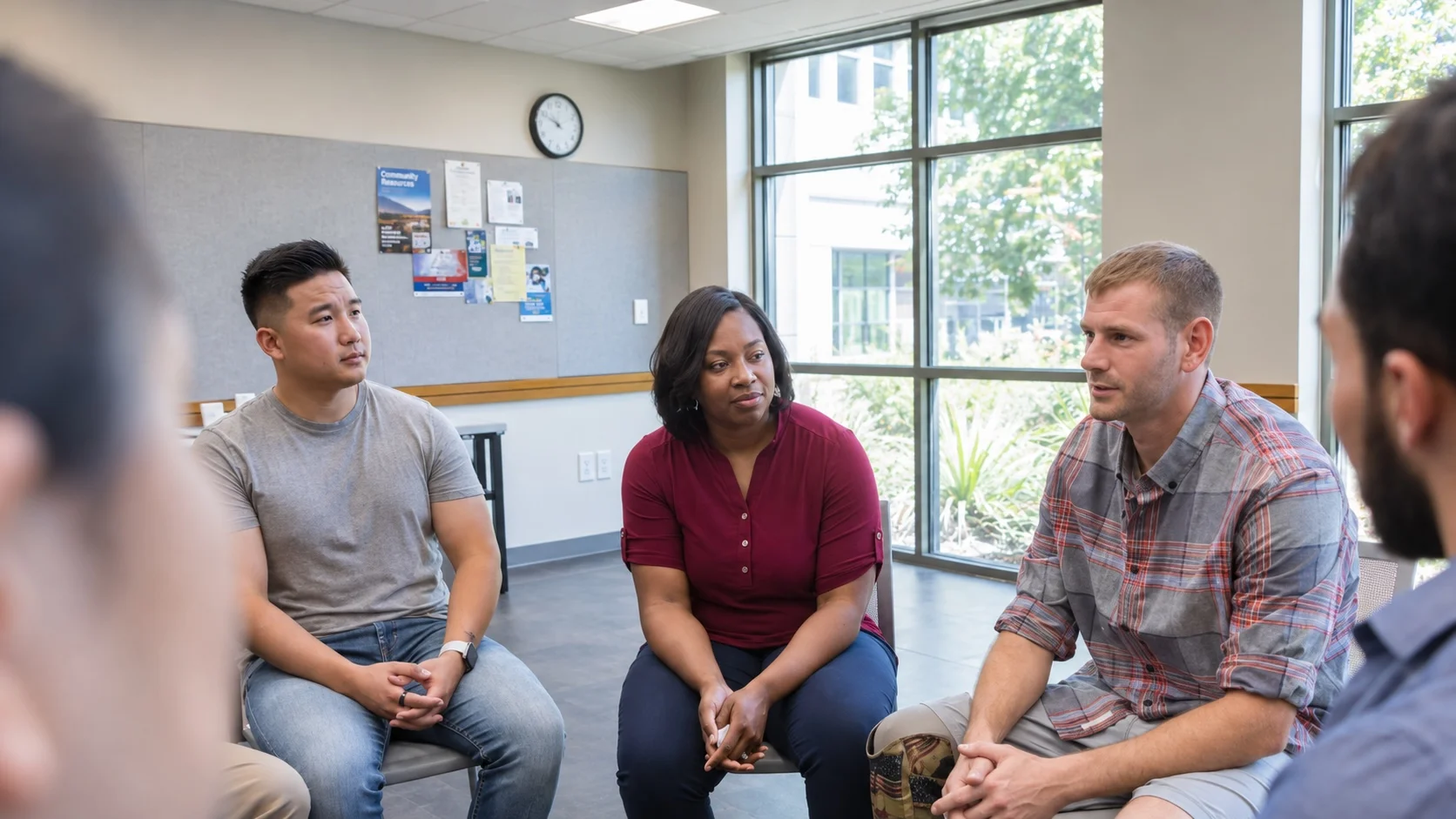
Leaving the Armed Forces can involve a significant change in working environment. Beyond finding a suitable opportunity, service leavers may need to become familiar with civilian recruitment processes and understand how their experience translates into different industries.
The Career Transition Partnership (CTP) provides resettlement support to eligible service leavers, including employment advice, training opportunities, and access to employers.
Businesses also have an important role to play in making their recruitment processes more accessible.
Consider whether every requirement in a job specification is essential. Where particular technical qualifications or safety competencies are mandatory, these must remain in place. However, requiring previous experience in an identical civilian role may exclude candidates with relevant military backgrounds.
Military job titles and terminology can be unfamiliar to civilian hiring managers. Recruiters can help candidates explain their responsibilities in terms employers recognise, while hiring managers can ask questions that explore the experience behind those job titles.
Providing clear information about the application process can also help candidates understand what to expect when applying for civilian roles.
Service leavers considering an unfamiliar industry need to understand the qualifications required, what training is available, and how they could progress.
Clear expectations and appropriate onboarding can help people build confidence as they move into a different working environment. Where additional qualifications are needed, targeted training and upskilling can provide a practical route into roles that build on their existing experience.
These changes can make opportunities more accessible while helping employers assess candidates on the capabilities they could bring to their organisation.
The UK rail industry offers a useful example of where transferable military experience could support successful career transitions.
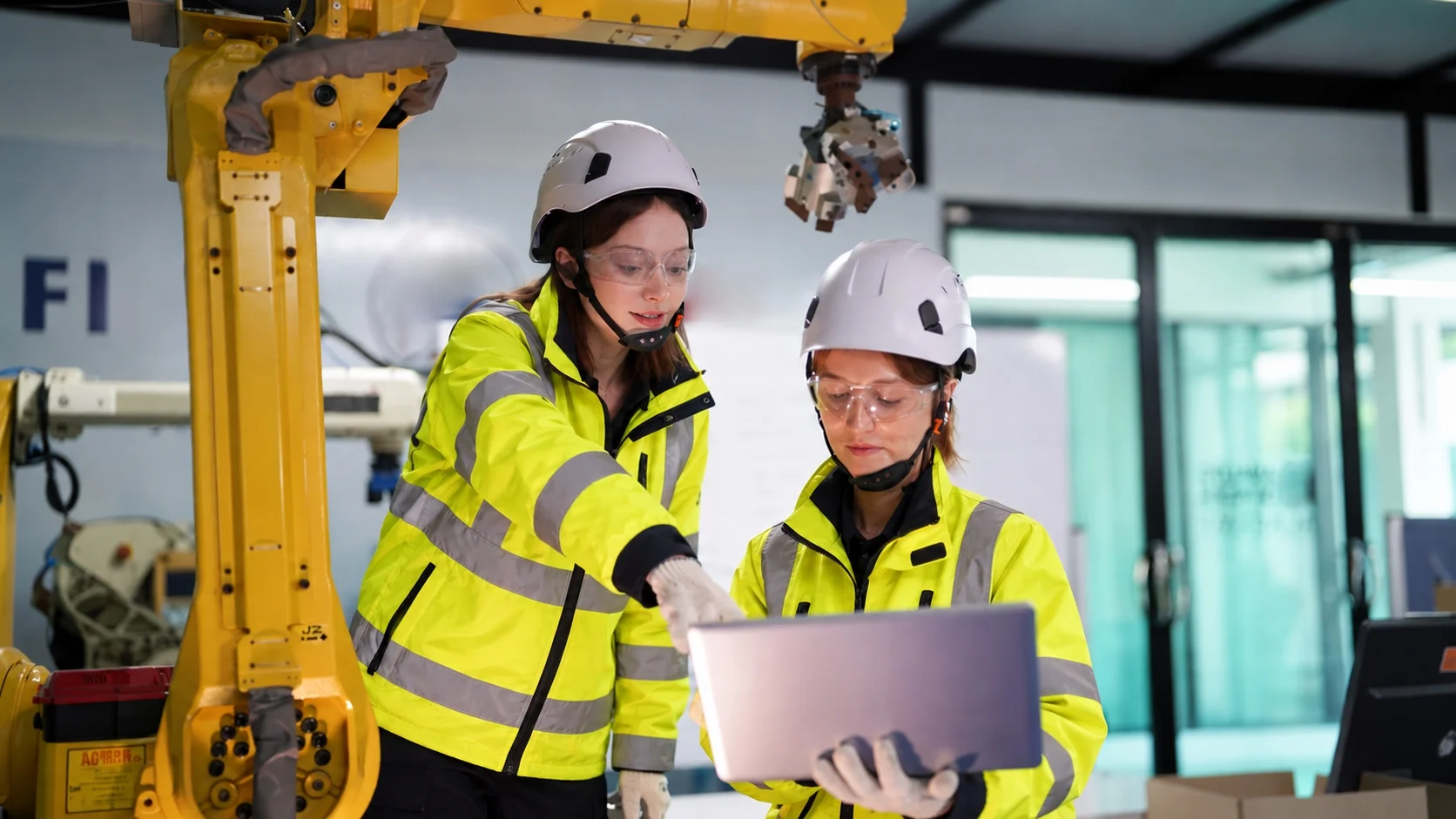
Rail employers recruit across a range of technical and operational disciplines, including maintenance, engineering, servicing, and fleet operations. For service leavers with relevant backgrounds, these environments may offer opportunities to build on existing skills while developing new industry-specific expertise.
There are also several different entry routes into the sector, as explored in our guide to careers in the rail industry.
According to the National Skills Academy for Rail's 2025 Rail Workforce Survey, more than 30% of the UK's rail workforce is aged 50 or over. The research also estimates that up to 70,000 workers could leave the industry through retirement and other forms of attrition by 2030.
As employers plan for these changes, recognising experience gained outside the rail industry could help them reach people with relevant technical and operational backgrounds.
For example, military experience may provide a foundation for roles involving:
Engineering and maintenance: Applying mechanical or electrical experience to the maintenance of rail vehicles and equipment.
Fleet operations: Drawing on experience coordinating equipment availability, inspections, and maintenance activities.
Operational management: Using experience supervising teams and coordinating resources within safety-critical environments.
Moving into these roles will often require additional training or industry-specific qualifications. With the right development pathways, however, employers can help service leavers apply their existing experience while gaining the knowledge needed for a new career.
For organisations looking to broaden their talent pools, working with a specialist rail recruitment partner can also help identify where experience from adjacent industries could meet their workforce requirements.
At Rullion, we've previously supported service leavers into civilian employment through our recruitment activity, including work undertaken by our rail recruitment teams with the Career Transition Partnership.
We've also supported former Armed Forces personnel into new roles through our Train to Deploy model, which helps people from adjacent industries develop the skills needed to meet specific client workforce requirements. It's an area our teams are keen to develop further to show our support to veterans.
We're currently exploring how we can build on that experience across our wider recruitment and Train to Deploy activity.
This includes considering how we can:
Connect service leavers with suitable opportunities: Work with our clients to identify roles where military experience could be relevant, including opportunities candidates may not have previously considered.
Recognise transferable capabilities: Help employers understand how military experience relates to the technical and operational requirements of their roles.
Support new career pathways: Explore where targeted training through Train to Deploy could help service leavers gain the industry-specific skills needed to move into different roles.
Our clients already recognise the value that former service personnel can bring to their organisations. By taking a more coordinated approach, we hope to build on our existing work and help more people access opportunities where their experience is valued.
Whether you're leaving the Armed Forces and exploring your next career, or an employer looking to recognise the experience veterans bring, we're here to help you explore what's possible. Get in touch with our workforce specialists to find out more.