Building the Workforce You Can't Hire Webinar
08 Jul, 2026
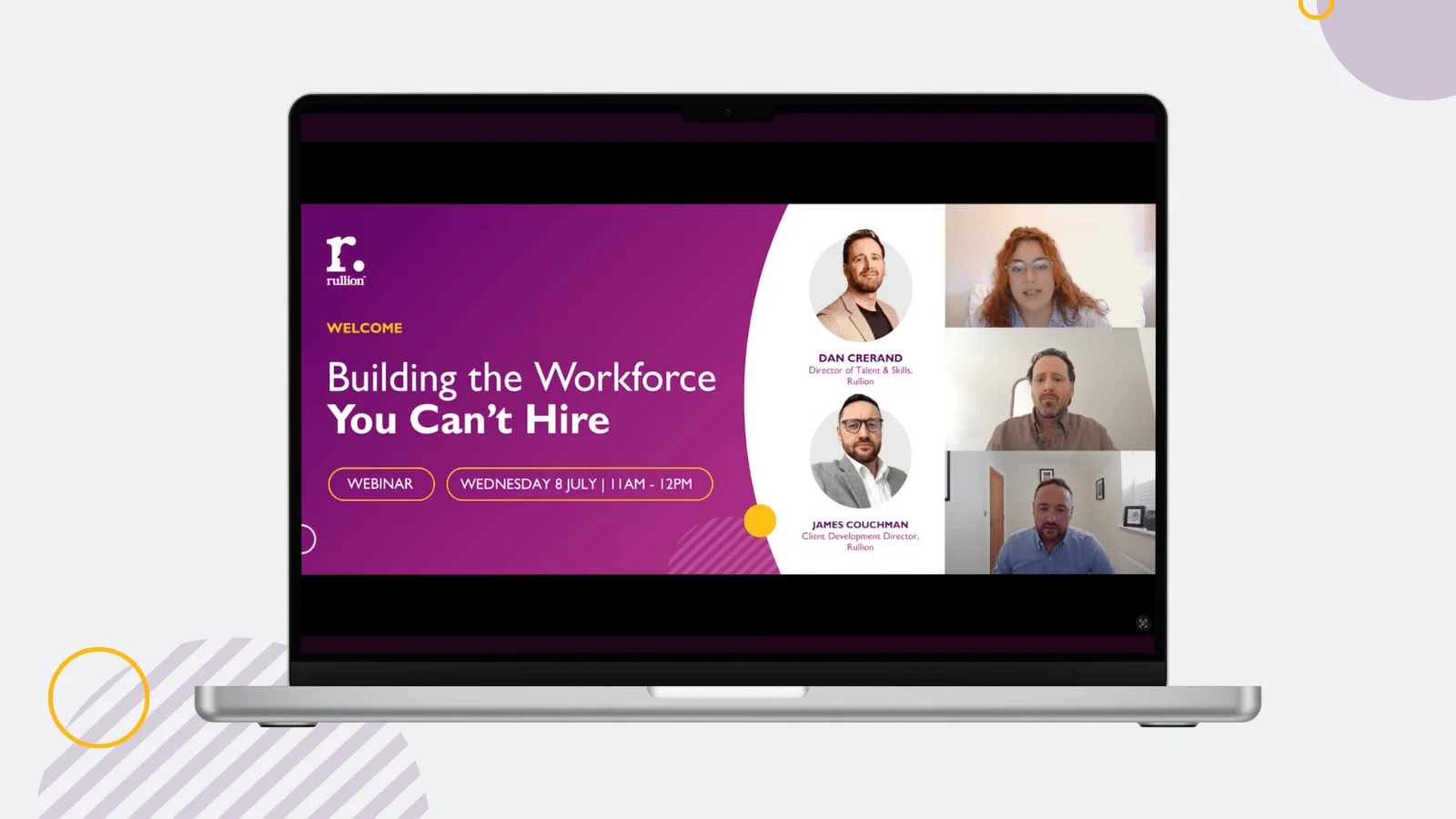



From prolonged clearance delays to missed hires and poor candidate communication, many organisations don’t realise just how much is going wrong behind the scenes. And when screening is treated as a tick-box admin task or left to automated black-box systems, it’s not just candidates who lose confidence - it’s your projects, your timelines, and your brand.
We sat down with Jayne Lee, Head of Candidate Services at Rullion, to uncover the five most common screening mistakes she sees every week. Plus, what a better, faster, human-led approach really looks like.
Too many employers treat pre-employment screening as a box-ticking chore, something to be automated, outsourced on the cheap, or buried within already-stretched HR functions. But the stakes are far higher than most realise.
"Candidates are left hanging for 40 days, sometimes six months. Clients can’t get people on-site. Everyone’s frustrated, and nobody wins." — Jayne Lee
Screening is not just about compliance. It’s about trust, operational readiness, and safeguarding your organisation’s brand. When mishandled, it can stall entire projects, drive away top talent, and leave teams critically understaffed.
In Jayne’s world, horror stories abound: candidates ghosted by automated systems, clients left to chase their own references, and six-month clearance times that sabotage even the best-laid hiring plans.
From a compliance perspective, that’s risky enough. But the real cost comes in the form of:
Delays to mobilisation and project timelines
Lost candidates, who accept faster offers elsewhere
Frustrated hiring managers, stuck in limbo
Reputational damage, as candidate experience deteriorates
Jayne describes a common tale: a company chooses a low-cost provider based purely on price. Within a year, they get burned by red-amber-green status updates and incomplete checks, but still charged full fees.
It’s a classic example of how lower-cost options can lead to higher costs over time. What seems cheaper upfront often results in greater expense later. — Jayne Lee
Choosing a provider based purely on price
Relying on automated systems with no human oversight
Treating screening as an afterthought in the hiring process
Failing to update candidates during delays
Underestimating the reputational cost of poor candidate experience
So what does good look like? According to Jayne, the best pre-employment screening services share four key traits:
1. Speed
Rullion averages just 7–8 days for full clearances. That’s no accident. It’s the result of a dedicated team, proactive communication, and structured workflows.
2. Accuracy
Accuracy isn’t negotiable. Cutting corners increases risk and invites compliance breaches.
3. Candidate Experience
Each candidate is assigned an advisor who guides them through the process, no faceless systems or ticket queues. This human-led approach builds trust and keeps things moving.
4. Compliance
Especially in safety-sensitive sectors, clearances like BPSS must be handled to exacting standards.
"Our advisors don’t just send emails - they know who to call, when to push, and how to escalate." — Jayne Lee
Screening is evolving, and fast. Jayne highlights three major shifts:
Growing regulation: in sectors like nuclear, utilities, and transport
Automation that helps: but can’t replace - human expertise
Rising candidate expectations: for fast, clear communication
Many organisations are entering regulated sectors for the first time, unaware of what secure screening services really involve. Others rely on overburdened HR teams, hoping for the best.
"Screening is often a homeless task. Nobody owns it, and it bounces from admin to HR until something breaks." — Jayne Lee
If you’re in a high-stakes environment, the right screening partner isn’t a nice-to-have, it’s essential. Here’s what to look for:
Specialist knowledge: of your sector and its compliance demands